
Why Is The Water Pressure In My Colorado Springs House So Low?
Water pressure is an essential factor when it comes to the functionality and convenience of our homes. Whether it’s taking a shower, washing dishes, or watering plants, having adequate water pressure is crucial. However, many homeowners often encounter low water pressure issues, leaving them frustrated and seeking solutions. In this blog, we will explore some common reasons why the water pressure in your house may be low.
1. Clogged Pipes
One of the primary culprits behind low water pressure is clogged pipes. Over time, mineral deposits, sediment, and debris can build up inside the pipes, restricting the water flow. This buildup can occur due to hard water or aging pipes. The accumulation reduces the diameter of the pipes, resulting in reduced water pressure throughout the house.
2. Faulty Pressure Regulator
Every house has a pressure regulator installed to control the water pressure from the main supply line. If the pressure regulator malfunctions, it can lead to both low and high water pressure issues. A faulty pressure regulator may need to be inspected and replaced by a professional plumber to ensure optimal water pressure in your house.
3. High Water Demand
Another reason for low water pressure in your house can be high water demand. Often, several activities such as laundry, showering, and using multiple faucets simultaneously can strain the water supply, causing a drop in pressure. If this is the case, consider staggering tasks that require a significant amount of water or investing in a larger water supply system to meet the demands of your household.
4. Water Leaks
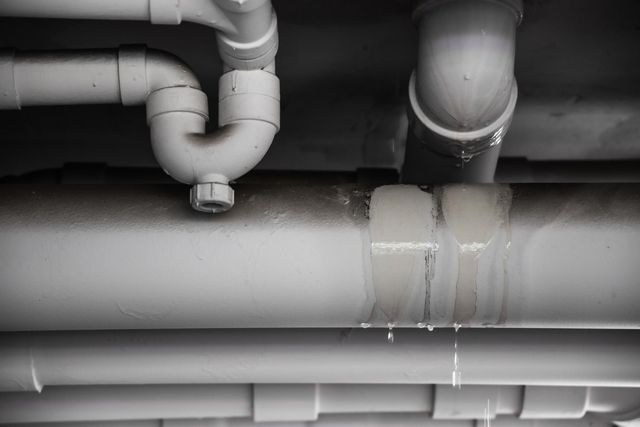
Hidden water leaks in your plumbing system can significantly impact the water pressure in your house. Even small leaks can cause a loss of pressure as they divert water away from its intended path. Inspect your pipes, faucets, and fixtures for any signs of leaks and address them promptly to restore the water pressure to its normal level.
5. Municipal Supply Issues
Sometimes, the problem with low water pressure is not within your home but lies with the municipal supply. Issues such as maintenance or repairs, water main breaks, or an inadequate supply can affect the water pressure throughout the entire neighborhood. If you suspect that the low water pressure is a community-wide problem, contact your local water authority to inquire about any ongoing issues or expected resolution time.
6. Water Meter Valve or Main Shutoff Valve
The water meter and the main shutoff valve are critical components that regulate the water flow into your house. If these valves are not fully open or are partially closed, it can result in reduced water pressure in your home. Check the valves and make sure they are fully open to allow maximum water flow and maintain optimal pressure.
7. Water Heater Problems
In some cases, a faulty water heater can lead to low water pressure. Sediments and mineral deposits can accumulate in the water heater’s tank and plumbing lines, restricting the water flow. Flushing the water heater periodically can help remove these deposits and restore the water pressure. It is advisable to consult a professional plumber for water heater maintenance and repairs to avoid any potential mishaps.
Summary
Low water pressure can significantly impact your daily routine and cause inconvenience. By identifying the underlying causes such as clogged pipes, faulty pressure regulators, high water demand, water leaks, municipal supply issues, valve problems, or water heater malfunctions, you can take necessary measures to restore adequate water pressure in your house. If you are unsure of the exact cause or unable to rectify the issue yourself, it is always recommended to seek the assistance of a professional plumber who can diagnose and resolve the problem efficiently.