
Why Is A Backflow Preventer Important?
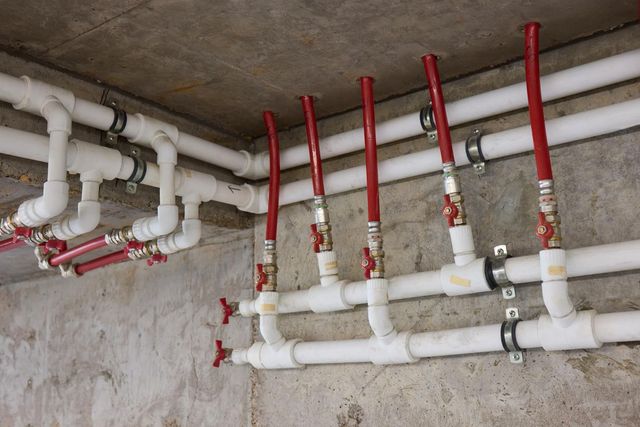
A backflow preventer is a crucial component of any plumbing system. It serves the purpose of protecting the potable water supply from contamination and ensuring that water flows in the right direction. This device is particularly important because backflow can lead to serious health hazards and can even be life-threatening. In this blog post, we will explore the reasons why a backflow preventer is essential and why every property should have one installed.
1. Prevents Contamination
The main purpose of a backflow preventer is to safeguard the potable water supply from contamination. Backflow occurs when the flow of water in the plumbing system reverses, allowing non-potable water to mix with the clean water supply. This can happen due to a sudden drop in water pressure or a back-siphoning effect. When contaminated water enters the drinking water supply, it can lead to the spread of harmful bacteria, chemicals, and even sewage. Installing a backflow preventer ensures that clean water remains uncontaminated and safe for consumption.
2. Protects Public Health
Backflow incidents pose a significant health risk to the public. Waterborne diseases such as salmonella, E. coli, and giardia can spread through contaminated water. These diseases can cause severe gastrointestinal problems, infections, and in some cases, even lead to death. By installing a backflow preventer, the risk of these diseases spreading through the water supply is greatly reduced, protecting the health and well-being of the community.
3. Complies with Building Codes
Backflow preventers are a mandatory requirement in most building codes and plumbing regulations. These regulations are in place to ensure a safe and reliable water supply for the public. Failure to comply with these codes can result in penalties, legal issues, and even the closure of a property. By installing a backflow preventer, property owners demonstrate their commitment to maintaining a safe and compliant plumbing system.
4. Increases Property Value
Having a backflow preventer installed can significantly increase the value of a property. Potential buyers and tenants are becoming increasingly knowledgeable about the importance of a reliable and safe water supply. A property with a backflow preventer in place gives reassurances that the water quality is protected and meets the necessary regulations. This can serve as a selling point, attracting more buyers and potentially commanding a higher sale price.
5. Reduces Liability
In addition to protecting public health, installing a backflow preventer also reduces liability for property owners. If a backflow incident occurs and causes harm or illness to individuals, the property owner may be held legally responsible. By taking proactive measures and installing a backflow preventer, property owners can mitigate the risk of any potential legal and financial liabilities that may arise from a backflow incident.
6. Ensures Water Conservation
Backflow incidents can also lead to water waste and increased water bills. When a backflow occurs, water is effectively wasted as it flows in the wrong direction or leaks out of the system. This can result in higher water bills for property owners. By installing a backflow preventer, water flow is efficiently regulated, preventing wastage and saving both water and money in the long run.
Summary
A backflow preventer plays a vital role in protecting public health, preventing contamination, and ensuring a safe and reliable water supply. With the potential for serious health hazards and legal issues, installing a backflow preventer is not only necessary but also mandated by building codes in most jurisdictions. Its importance extends beyond compliance, as it also helps to increase property value and reduce liability for property owners. Moreover, a backflow preventer contributes to water conservation by preventing wastage. In essence, investing in a backflow preventer is a wise decision to safeguard the health and well-being of individuals and communities.